Posted in Uncategorized on January 29, 2026| Leave a Comment »
Posted in Uncategorized, tagged art, books, history, writing on January 28, 2026| Leave a Comment »
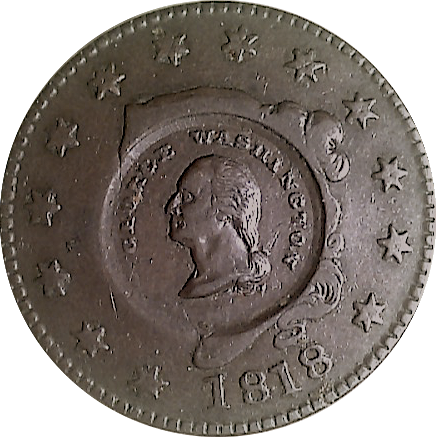
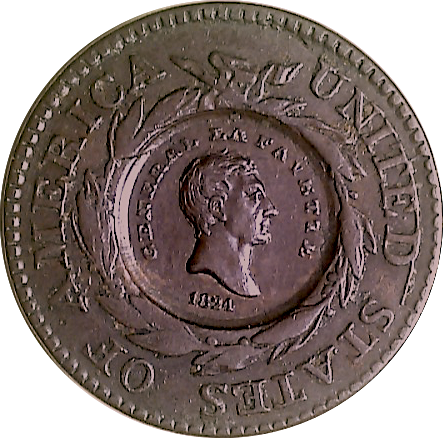
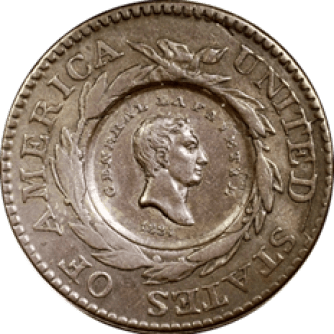
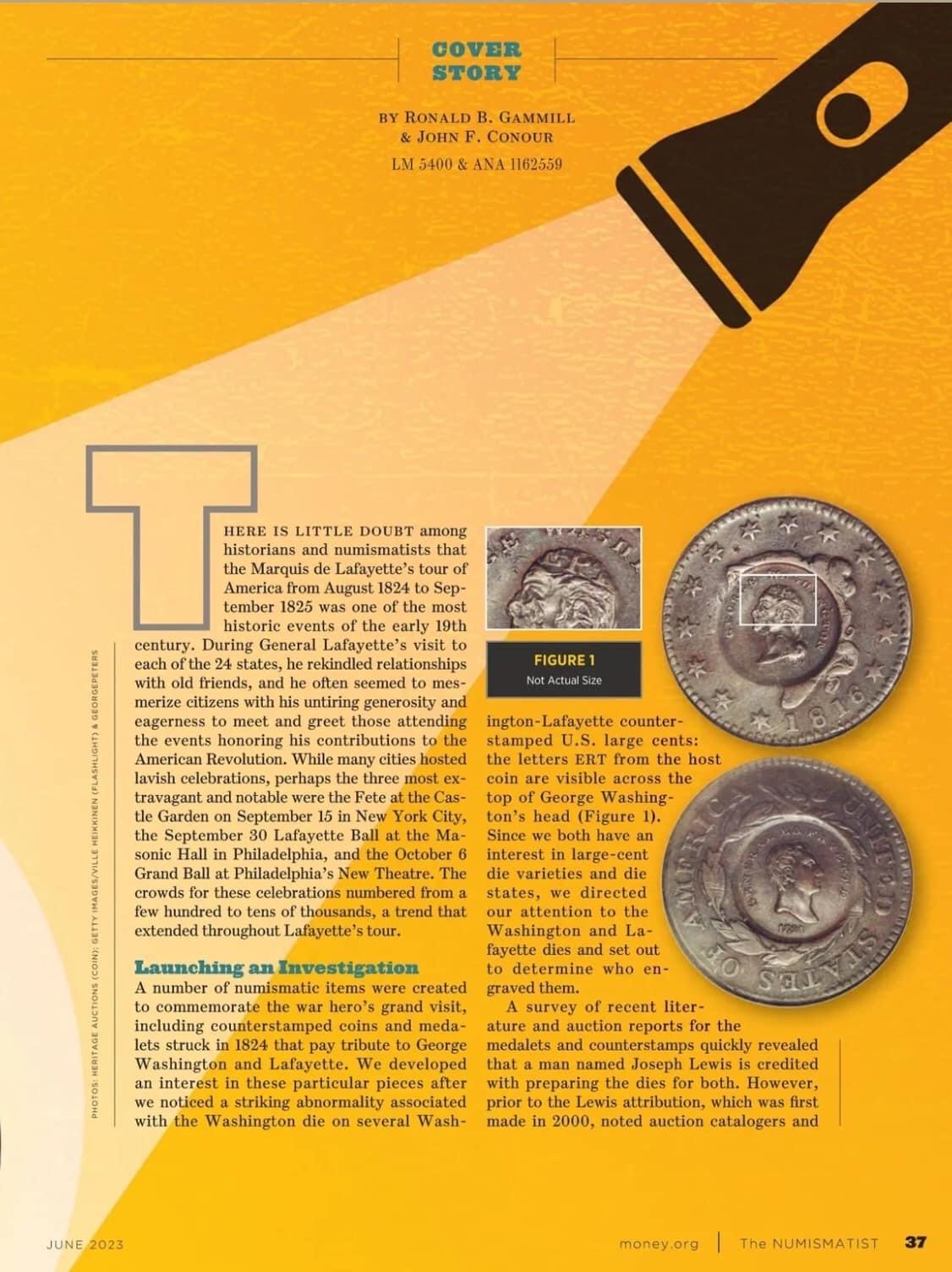
1818 (Newcomb-2) Washington-Lafayette Counter Stamp
The Washington-Lafayette Counter Stamp is one of the most famous and desirable counter stamps in American history. Rarely are these historically rich pieces seen for sale. For most Early American Copper connoisseurs, these rare pieces represent a culmination of rarity, history, beauty and always, always provide depth to a numismatic collection. Duffield reported that he was aware of the Washington-Lafayette counter stamp on 1817, 1818, 1822 & 1823 large cents. We are also aware of an 1807 half cent with this counter stamp. Current estimation is that the existing known population of these large cents is in the neighborhood of 12.
The dies were made by Joseph Lewis for his Washington – Lafayette Medalets. It is these dies that are neatly impressed into the above 1818 (Newcomb-2) large cent. This is an especially intriguing example since to my knowledge, it is only the second known example on the 1818 large cent issue and in this particular case, the host coin is a Newcomb-2 variety, which according to Robinson in ‘Copper Quotes’ (edition 2011), is an R-4. The close date (particularly the center ’81’), the away stars, and stars 3 and 6 pointing in between dentils making the obverse readily identifiable as Obverse 1. Reverse B is likewise readily identified by the heavy die crack above UNITED. Leaf positions (PC+, PR, SPC, & C-) which are totally consist with Reverse B, thus resulting in the Newcomb-2 assignment.
To our knowledge, the only other known example of an 1818 large cent with a Washington-Lafayette counter stamped has a very interesting pedigree and is housed (or captured as some EAC’ers might say) in a PCGS VF-20 holder. This specimen is a Newcomb-3 which is an R-3. The dies used to strike these two coins are somewhat similar. The obverse die for the N-3 (Obverse 2) has *6 pointing to left of the coronet tip and *10 star pointing up to the upper lobe of the hairbun. However, the most discernible difference in differentiating between N-2 and N-3 is the location of *1 and *13 with respect to the date (for an excellent discussion see, Wright, John D. 1992. The Cent Book. Litho Technical Services, Bloomington, MN 55431, pages 36 & 37).
This Washington-Lafayette counterstamps were made in honor of Lafayette’s 1824 to 1825 tour of America in which he visited all 24 states in the Union at that time. Interestingly, at the time of his visit, Lafayette was the last surviving Revolutionary War commander.
The dies used to produce this counterstamp were originally cut to strike tiny 14.5 mm medalets that were worn or suspended from a length of ribbon, or mounted on ornate pendants. All of these pieces are scarce to rare according to many. At some point these medal dies were used to produce counterstamps on various coins dated from 1807 to 1824. These counter stamped coins are of even greater rarity than the medals. The earliest coin used for the host that I am aware of is an 1807 half cent. The host half cent is in poor condition but the date is visible. Large cent examples are found on 1816, 1817, 1818, 1820, 1822, 1823 and 1824 issues. The counter stamp is also found on dimes of 1820, 1821, and 1822; half dollars of 1824; and a Spanish silver one and two real.
Counterstamped coins, such as the 1818 N-2, were made by noted medalist Richard Trested and his apprentice James Bale. The story most generally told is that while Lafayette was being entertained at the Mint during his visit to the United States about 1824, in compliment to Lafayette, each of which party was privileged to offer a coin on which the stamp was made from punches that had been prepared especially for the purpose. Another story is to the effect that during a procession in honor of Lafayette, coins bearing the counterstamps were thrown from one of the carriages to the crowds lining the streets to which the procession passed. There is no evidence that Lafayette visited the US Mint and distribution at a parade seems interesting but unlikely in our opinion.
The finest known example of this rarity on a large cent appears to be an 1820 issue that NGC has graded AU-58. This specific example is far better than the two examples in the May, 2004 Ford sale (lots 194 and 195). This clearly is the finest known example of this scarce and desirable counterstamp.
asdf
asdf
Posted in Uncategorized, tagged coin-gazette, Gammill Numismatics, gammill-coin-gazette, original, toning, US TOKENS on December 19, 2025| Leave a Comment »
Tokens of all kinds have long been a favorite of ours. As we were recently reviewing a few tokens for an upcoming presentation we decided to put a few up in the “Gammill Coin Gazette” for your review and enjoyment!
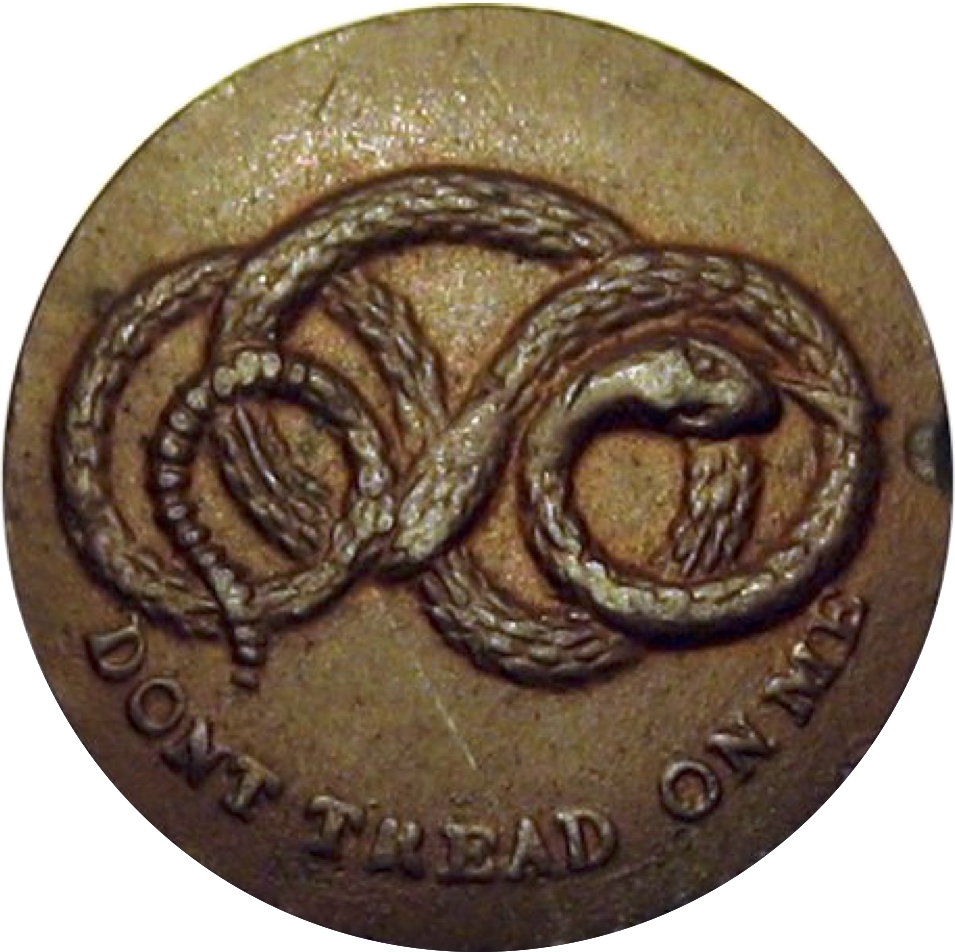

41 – 115A/530: Unlisted Raw AU+ Details With nearly full Copper plating with a few light and one more severe rim nicks. Martha Washington Dont Tread On Me with a pretzel shaped snake. This piece has been delisted in the newest Patriotic book because it occurs as an electrotype only. We don’t agree with this decision and feel this is the most legitimate use of die 115A. Most 115A and 115 for that matter were likely made to sell to collectors and were never intended to circulate. This example and 115/530, likely made by a different die sinker using the Lovett obverse as a pattern, did circulate and both come heavily worn and were represented in the “Found In Wall” contemporary hoard of Civil War tokens. From the Steve Tanenbaum collection. (500-750)


568 – MILLER NY 969: MS64 60% Red nearly Proof Like reverse. Woodgate & Co. Wines, New York 1860 Represtd By J. N. T. Levick struck in Copper with a reeded edge. A MS64 Semi Proof Like brought $220 in our September 2010 sale. From the Jon Harris collection earlier from Max Schwartz May 1972.


544 – MILLER NY 815 Raw MS62 10% Bright with 40% of original silvering remaining more so on the reverse. Jas. S. Smith & Co. Military Goods, New York with a military hat struck in Silvered Brass with Plain edge. Only listed in Silvered Copper but all we have seen appear to be Brass. From the John Ford and F. C. C. Boyd collections in March 1958. (50-75)
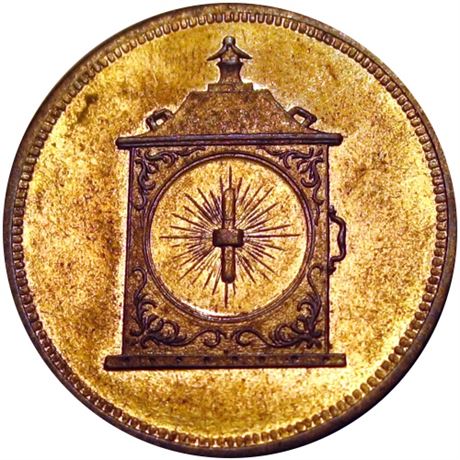
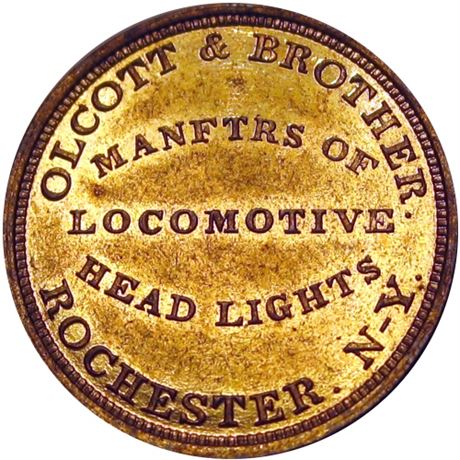
557 – MILLER NY 1019 Raw MS62 30% Bright. Olcott & Brother Locomotive Head Lights, Rochester New York struck in Brass with Reeded edge and railroad headlamp pictured. From the Jon Harris collection. (75-100)
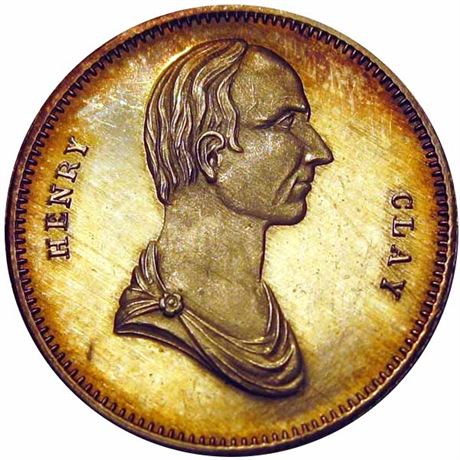

703 – HC-A MS61 Nearly Proof Like with some light hairlines and nice toning. Henry Clay (around draped bust right) // The Union And The Constitution The Eloquent Advocate Of Protection To Home Industry. Silver 28mm. Struck around 1860 by Robert Lovett Jr. One of just ten struck in this composition. ($220)
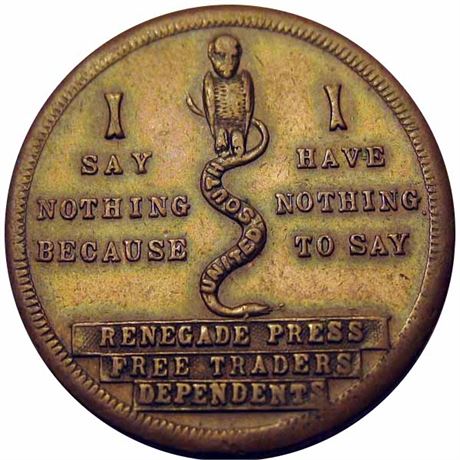

696 – GC 1884-11 EF+ With a couple of light rim bumps. Beef Takes The Presidential Chair March 4 1885 R.R.R. Did It (below buffalo) // I Say Nothing Because I Have Nothing To Say Renegade Press Free Traders Dependents (with head of man on bird sitting on snake labeled United South). An interesting satirical piece with much symbolism said to be struck by J. N. T. Levick. Copper 28mm. An MS63 brought $250 in our June 2013 sale. From the Henry South collection. ($157)


650 – MILLER PA 505C UNC Details Nicely toned but the Taylor side is retoned from an old cleaning with some very light hairlines. A. B. Taylor 1860 Walnut & Ninth Sts., Philadelphia Pennsylvania with Always On Hand reverse struck in Copper with Plain edge. Unlisted in Adams, Miller and Rulau, though we do know of one other. From the Louis Kaufman collection. ($100)


640 – MILLER PA 418 MS63 20% Bright. W. H. Richardson, No. 5 South 4th St. Philadelphia with Umbrellas and Parasols pictured on reverse struck in Brass with Plain edge on a somewhat thinner than normal planchet. From the Richard Crosby collection. ($65)

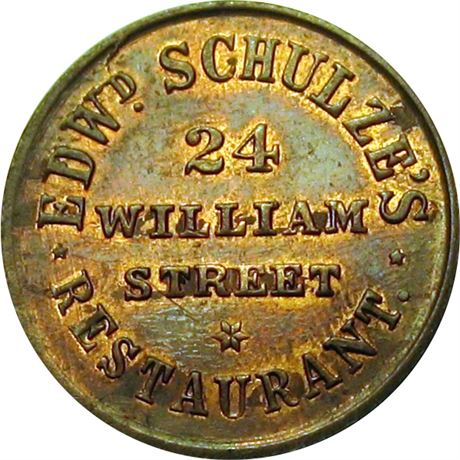
209 – NY630BO-2a R1 MS62 20% Red. Edward Schulze’s featuring deer with antlers. From the Virg Foss collection. ($105)
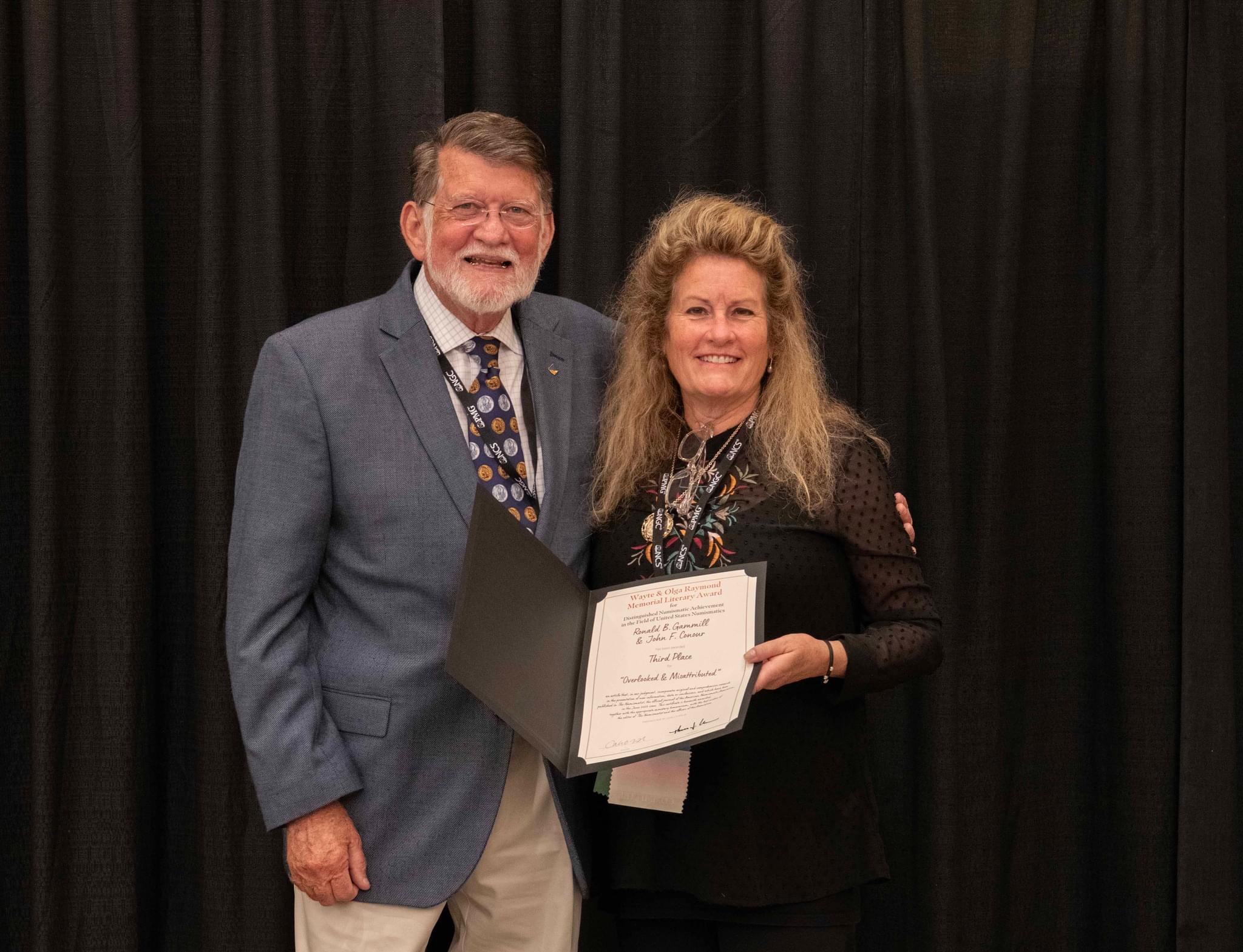
Posted in Uncategorized, tagged Heath Literary Award, John F. Conour, Lafayette Medallions, Literary Awards, Medalets and Counterstamps, Richard Trested, Ronald B. Gammill, Waste & Olga Raymond Memorial Literary Award on December 19, 2025| Leave a Comment »
Posted in Oval Gold and Silver Lafayette Medallions of 1824, Uncategorized, tagged Ash & Mason, Asher B. Durand, Blanding Casts, Cyrus Durand, James Bale, James D. Stout, James R. Snowden, Joseph Lewis, Medals of Washington., Peter Maverick, Richard Trested, Robert Lovett, Tags: Charles Cushing Wright, Thomas A. Anners on October 9, 2022| Leave a Comment »
The Significance and Attribution of Lafayette Medallions and Medalets
John F. Conour and Ronald B. Gammill
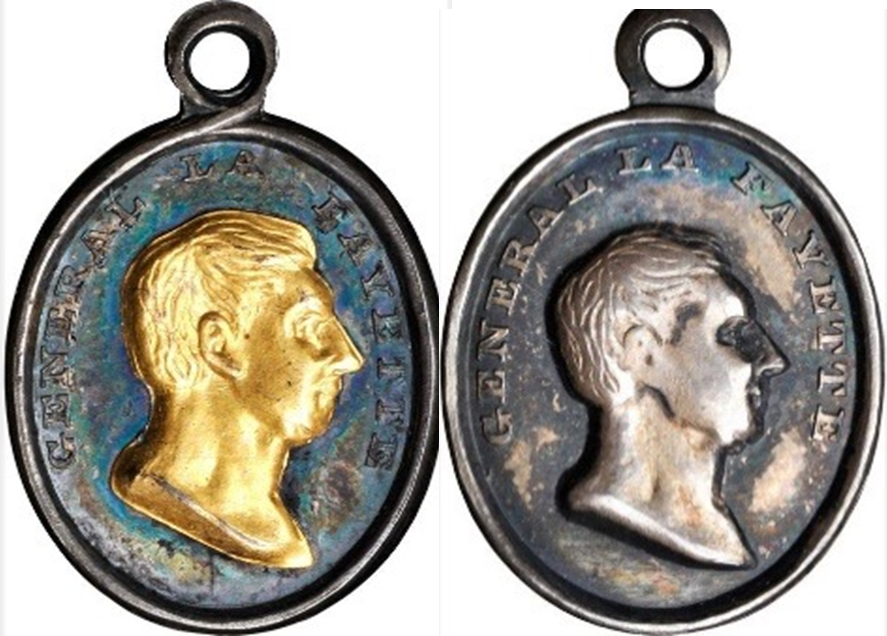
This presentation will establish the significance of the long-overlooked Oval Gold and Silver Lafayette Medallions of 1824 issued in celebration of Lafayette’s return visit to America. We will also address the confusion surrounding the appearance and attribution of the Washington-Lafayette Medalets and corresponding counterstamps of 1824. A host of other important Lafayette medallics issued around the time of Lafayette’s visit will be presented. Conour and Gammill will then discuss the current misconceptions as to their history and who did or did not sink the dies.
Tags: Charles Cushing Wright, Richard Trested, James Bale, Joseph Lewis, Robert Lovett, James R. Snowden, James D. Stout, Thomas A. Anners, Ash & Mason, Blanding Casts, Asher B. Durand, Cyrus Durand, Peter Maverick, Medals of Washington.
The next NNP Symposium will be on November 17th, 18th and 19th from roughly 10:00 AM to 7:00 PM Eastern time with speakers every hour and a half.
Newman Numismatic Portal
Washington University
St. Louis, Missouri


Posted in Uncategorized on February 22, 2020| Leave a Comment »


Figure 1. 1804 C-6, Manley Die State 4.5 Half Cent.

Figure 2. Obverse view of the C-6 variety obverse.
Obverse is the same as 1804 C-5 and 1804 C-7 but later in the progression. The “Spiked Chin” is always found with clash marks at the throat and cracked through the tops of LIBERTY with this die pairing.

Figure 3.

Figure 4.

Figure 5.

Figure 6.
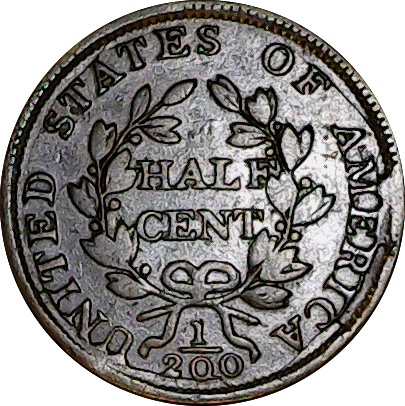
Figure 7.
Each wreath branch has five berries..
Always found with a cracked revere.
All the T’s have missing or defective feet.

Figure 8.
A patch of die rust is below the right foot of the first A in AMERICA.
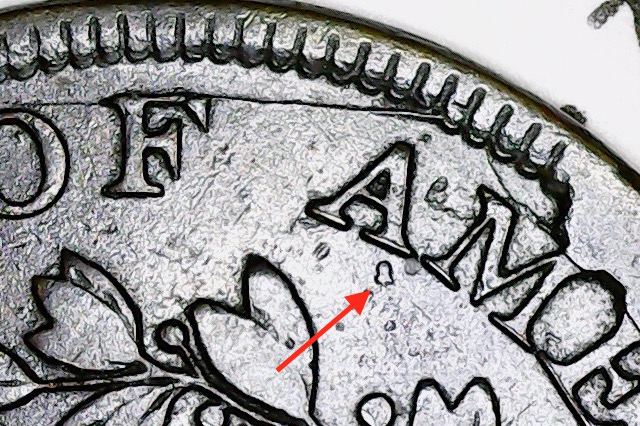
Figure 9.
An engravers’ scratch extends from the right stem end midway to the second A in AMERICA.

Figure 10.
A die flaw slants right from the top of T in CENT.

Figure 11.
A tiny lump is between NI in UNITED.

Figure 12.
A short die scratch is found parallel to the right side of A in STATES….which eventually fades.
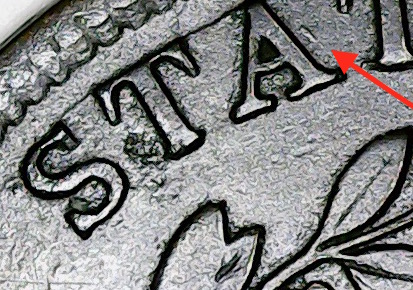
Figure 13.
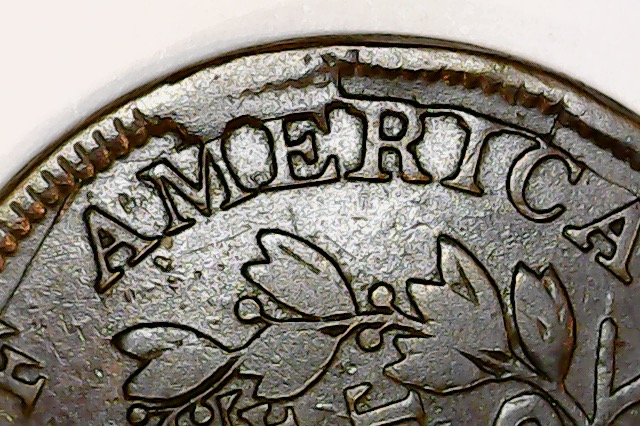
Figure 14

Figure 15.
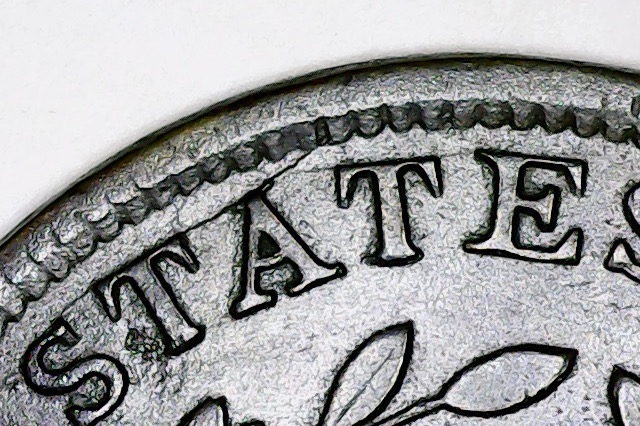
Figure 16
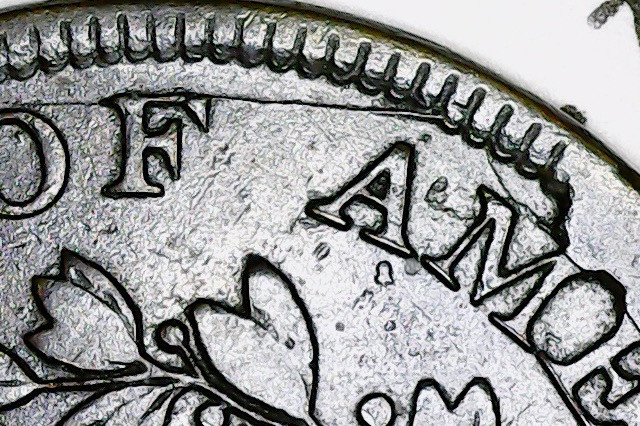
Figure 17.
Posted in Uncategorized on February 22, 2020| Leave a Comment »
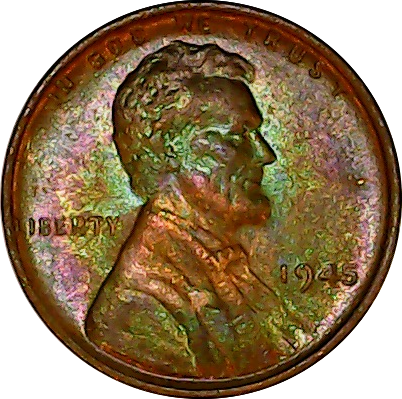
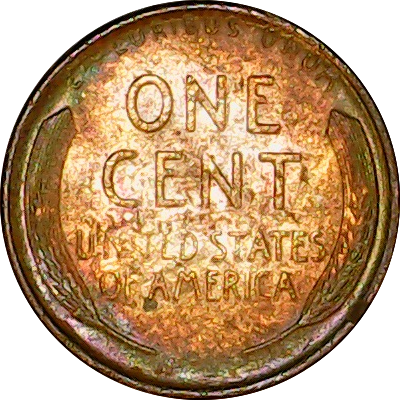
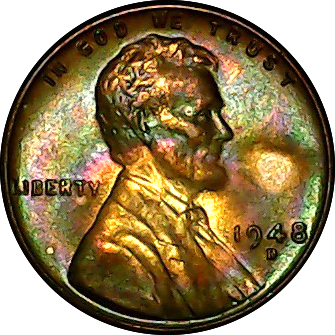

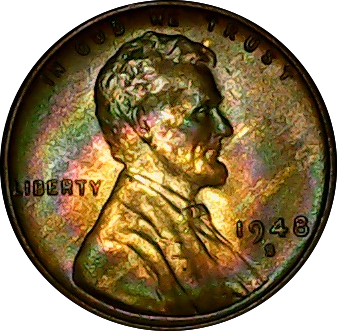
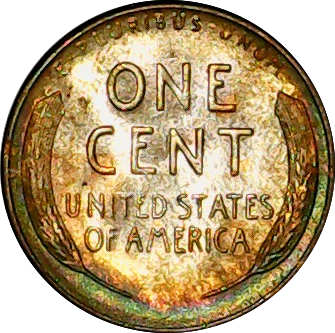

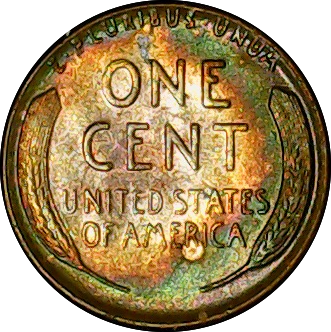
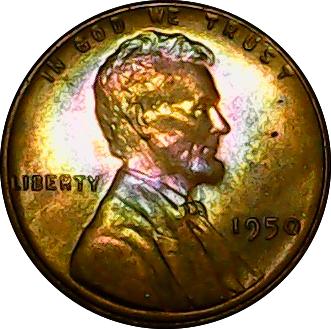

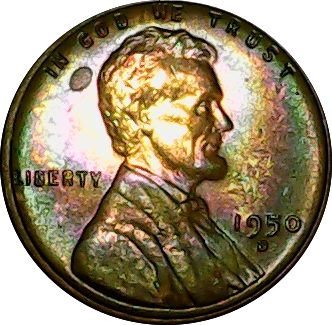
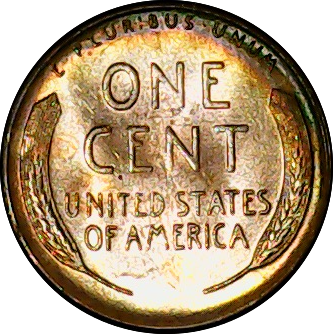


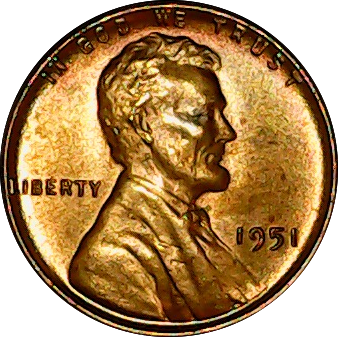

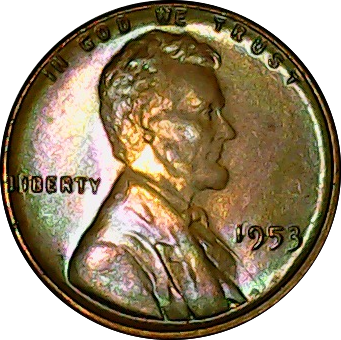

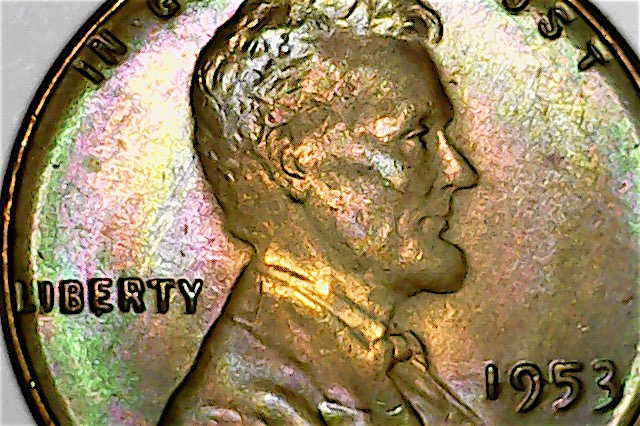
1953 Lincoln Cent
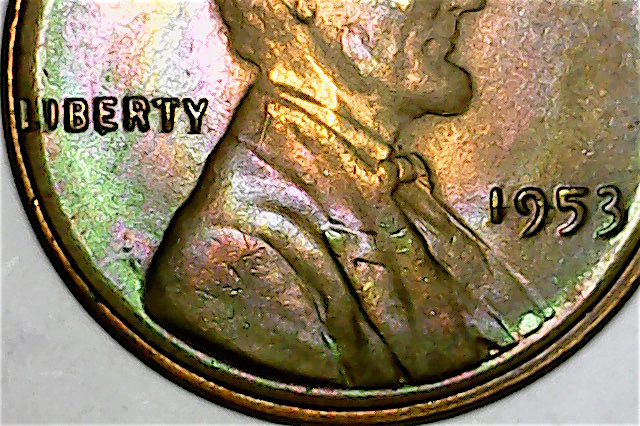
1953 Lincoln Cent/Rim

1953 Lincoln Cent/Wheat Ears
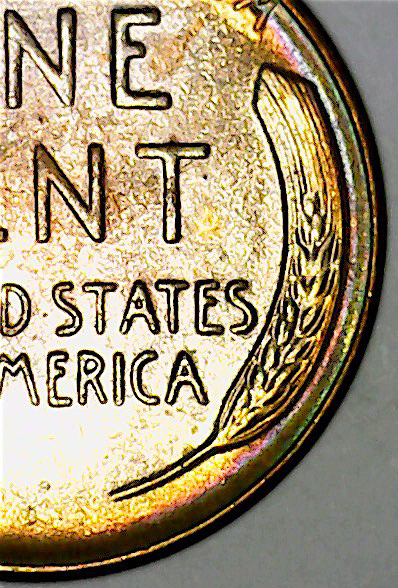
1953 Lincoln Cent/Wheat Ears

1953 Lincoln Cent/Wheat Ears & Die Polish

1953 Lincoln Cent/Wheat Ears & Die Polish
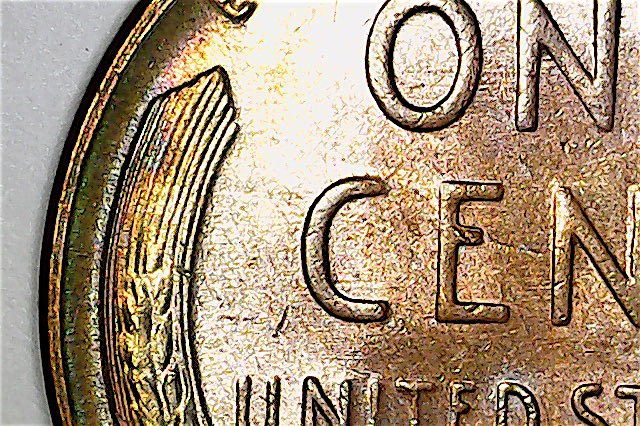
1953 Lincoln Cent/Wheat Ears & Die Polish
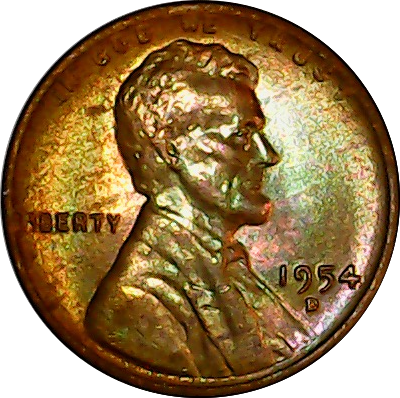


1954 D ‘LIBERTY’

1954 D Date

1954 D ‘Bust/Rim’

1954 D ‘GOD WE TRUST’ & Forehead

1954 D ‘IN COD WE TRUST’ & Forehead
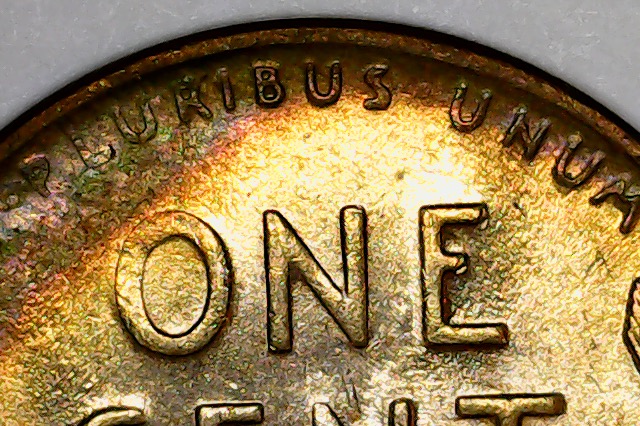
1954 D Reverse
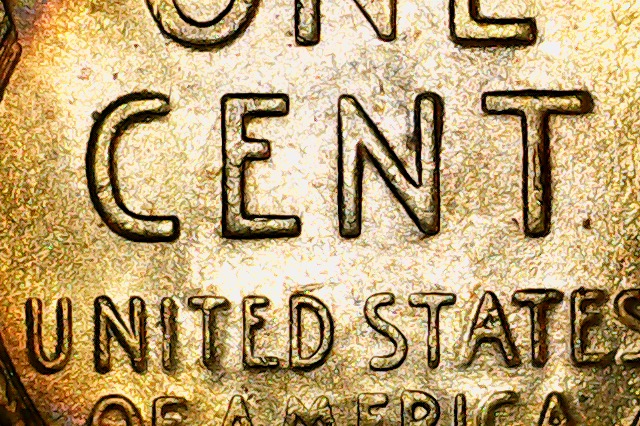
1954 D Reverse
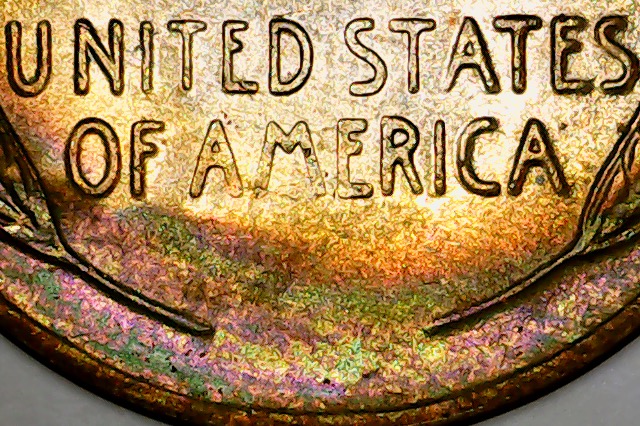
1954 D Reverse

1954 D Reverse

1954 D Reverse

1954 D Reverse

1954 D Reverse
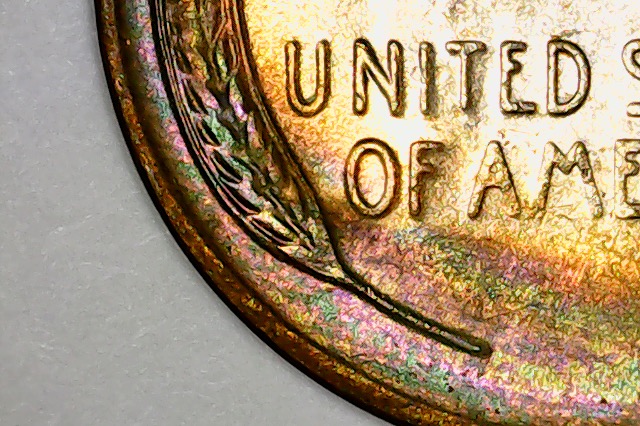
1954 D Reverse

1954 D Reverse
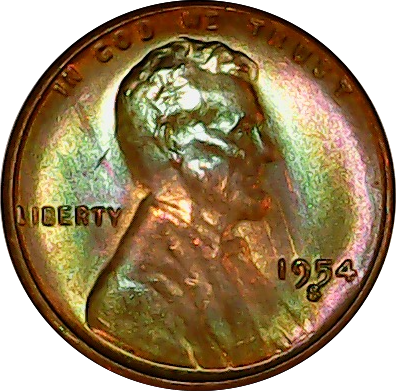
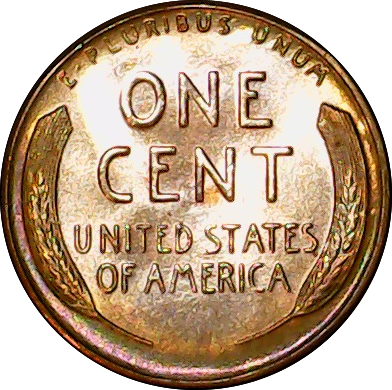


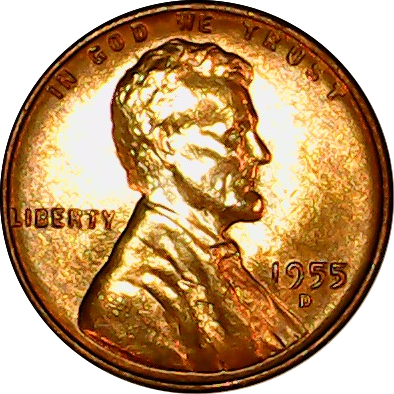


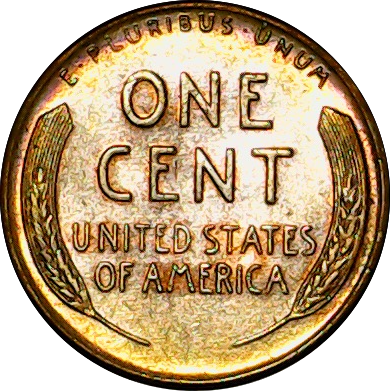
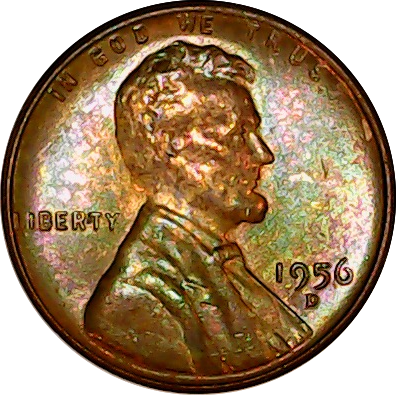
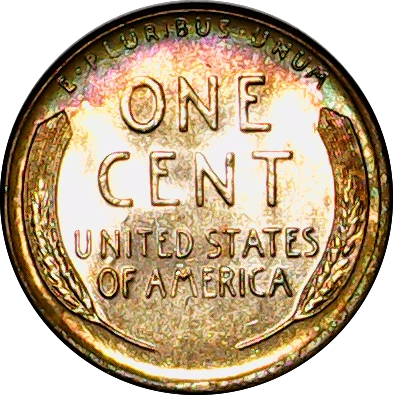

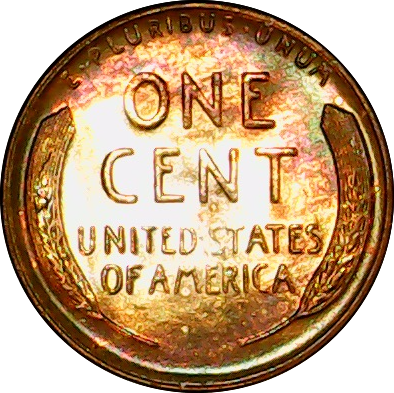

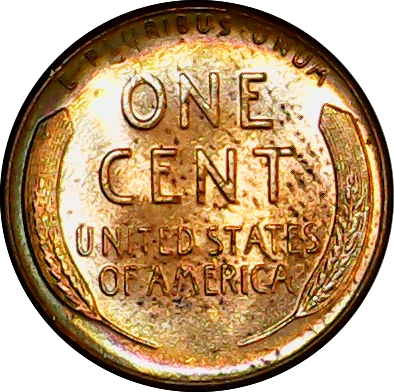

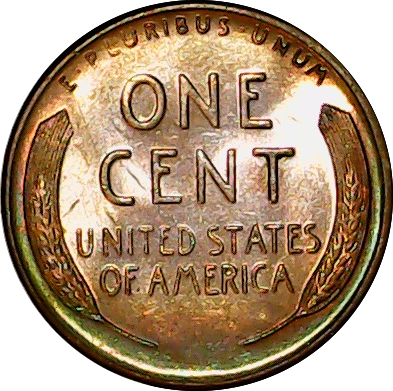

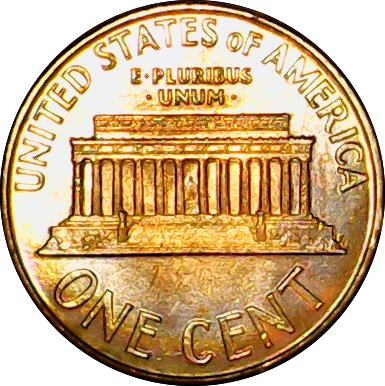

1959 ‘LIBERTY’
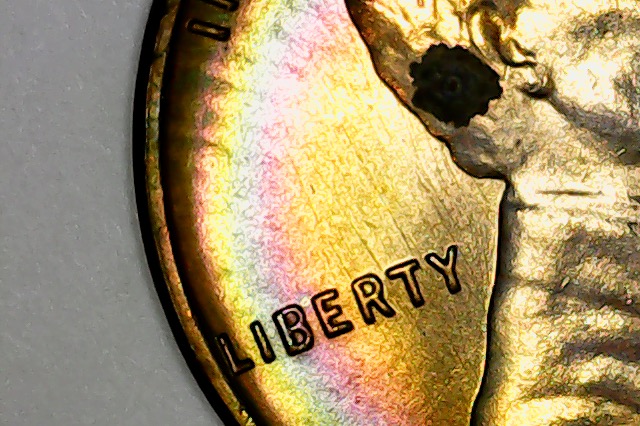
1959 ‘LIBERTY’ & Die Polish Lines

1959 Lincoln with Rainbow Toning & Die Polish Lines
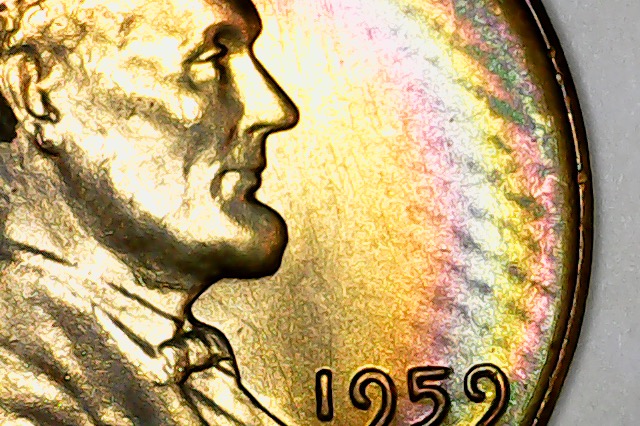
1959 Lincoln with Rainbow Toning
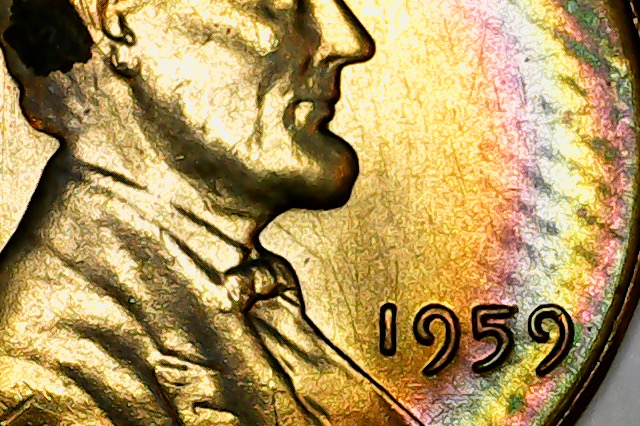
1959 Lincoln with Rainbow Toning

1959 Lincoln with Rainbow Toning

1959 Lincoln with Rainbow Toning
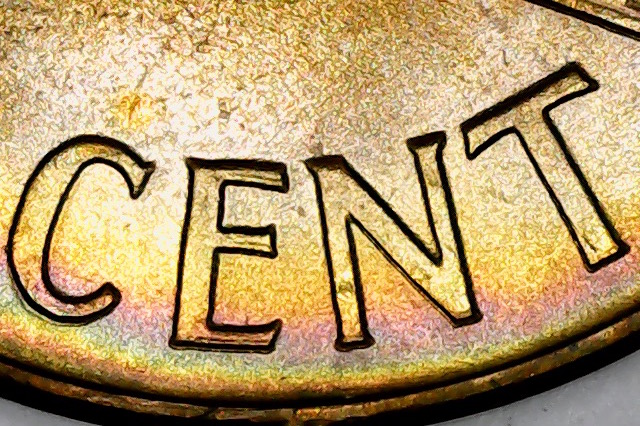
1959 DDR

1959 DDR

1959 DDR


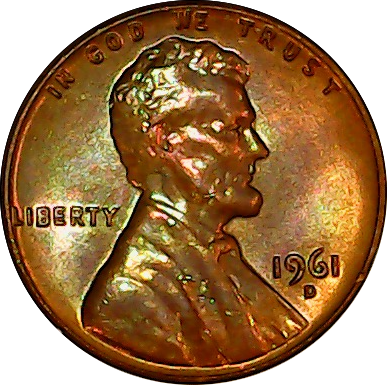
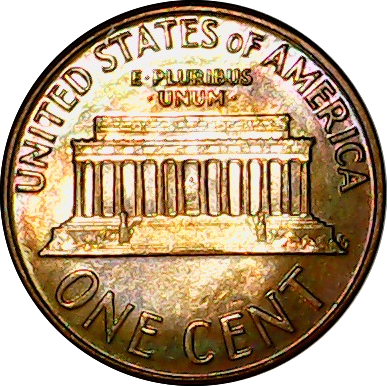

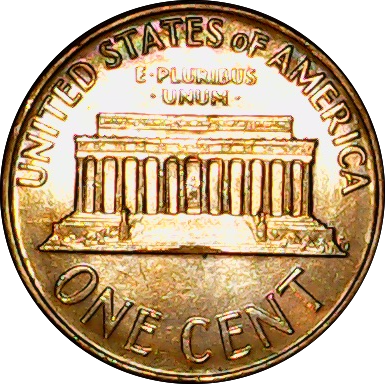



 Gammill Coin Gazette
You must be logged in to post a comment.